On July 16, the First National Summit on Elite Forestry Innovation Talent Development was held in Room 331 of NEFU’s Animal Protection Building. During the summit, forestry universities, research institutes, and industry partners from across China jointly released the Harbin Consensus, China’s first systematic consensus on the independent cultivation of elite forestry innovation talent, with the shared goal of nurturing ecological pioneers to build a Beautiful China.
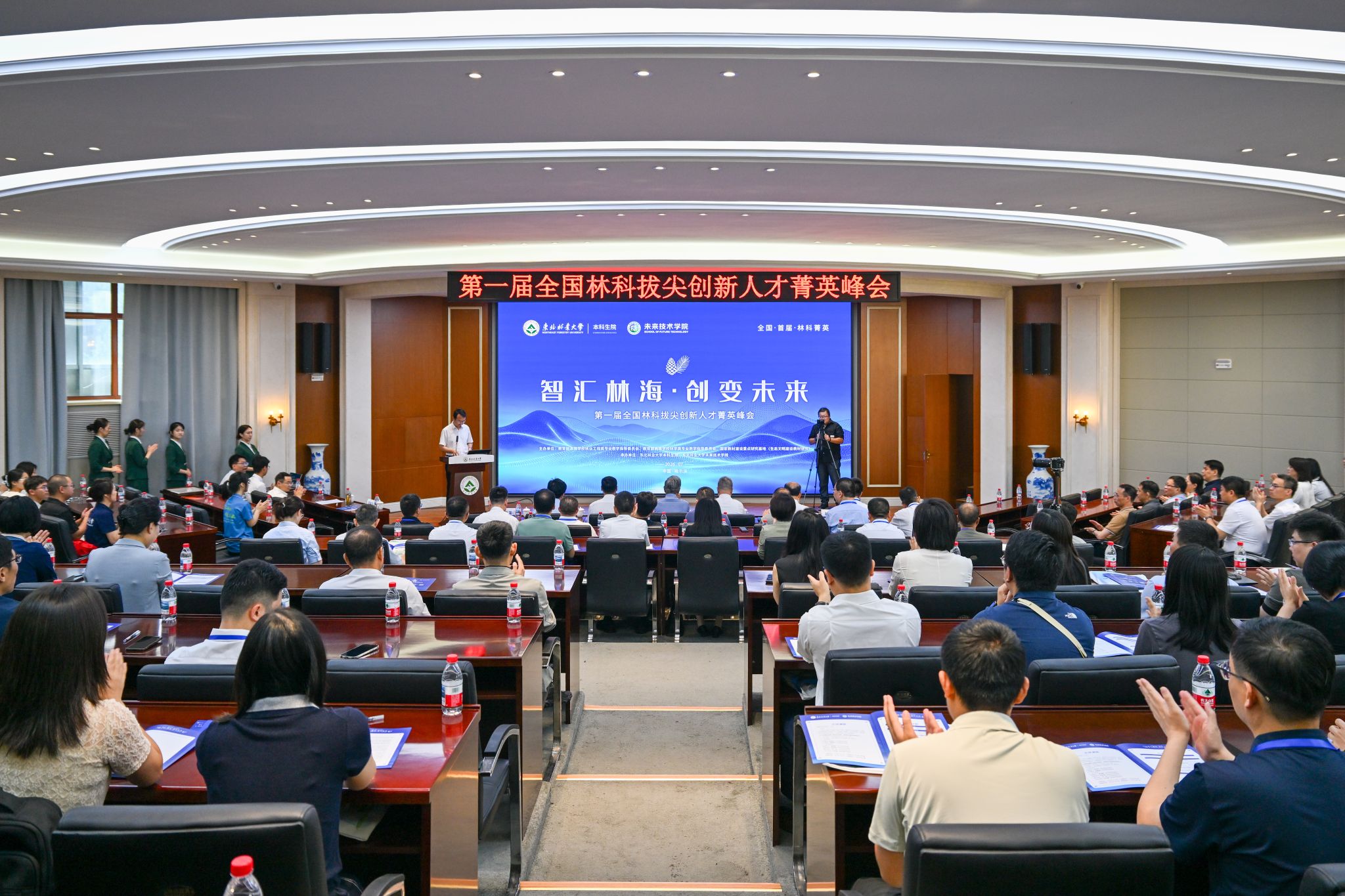
The summit was jointly organized by the Teaching Steering Committee for Forestry Engineering Programs and the Teaching Steering Committee for Forestry Programs under the Ministry of Education, in collaboration with the National Key Research Base for Textbook Development (Ecological Civilization Education). It was hosted by NEFU’s Office of Undergraduate Education and Future Technology College. Presidents, leading scholars, and student representatives from 27 forestry-related universities across China, including Beijing Forestry University, Nanjing Forestry University, and Central South University of Forestry and Technology, attended the summit.
The opening ceremony was chaired by Li Mingze, a member of the CPC Committee’s Standing Committee and NEFU’s Vice President.
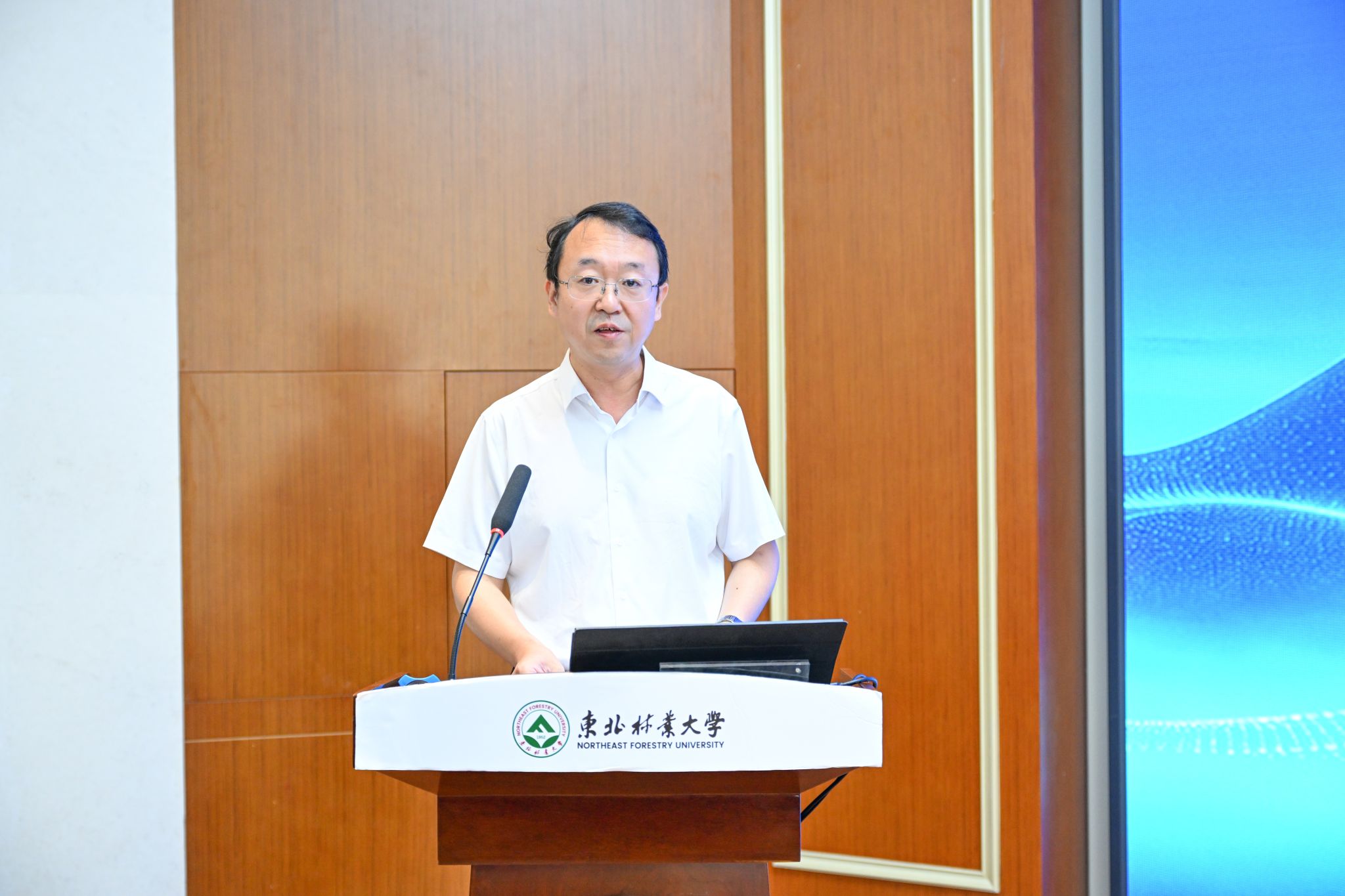
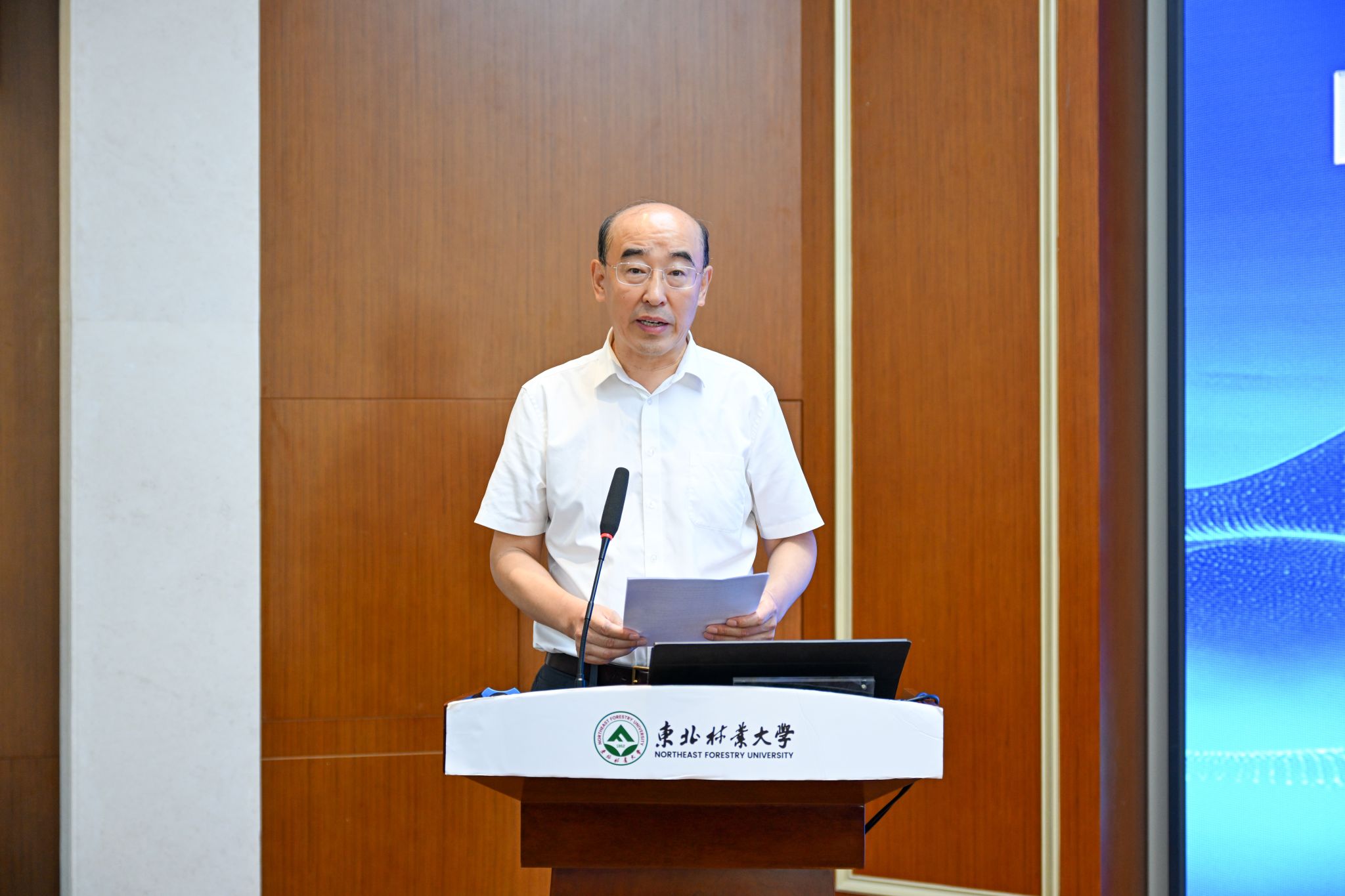
In his opening address, Song Wenlong, President of NEFU and Dean of the Future Technology College, emphasized that talent cultivation is the core mission of higher education. He noted that NEFU has advanced comprehensive reforms in recent years, including optimizing academic disciplines, program structures, and college organization, to strengthen its capacity to cultivate elite, innovative talent. He expressed confidence that the summit would integrate high-quality educational resources, stimulate innovation in forestry talent development, explore educational models with Chinese characteristics that meet the needs of the new era, and contribute to the high-quality development of China’s forestry and grassland sector, ecological civilization, and the national strategy to build a leading country in education.
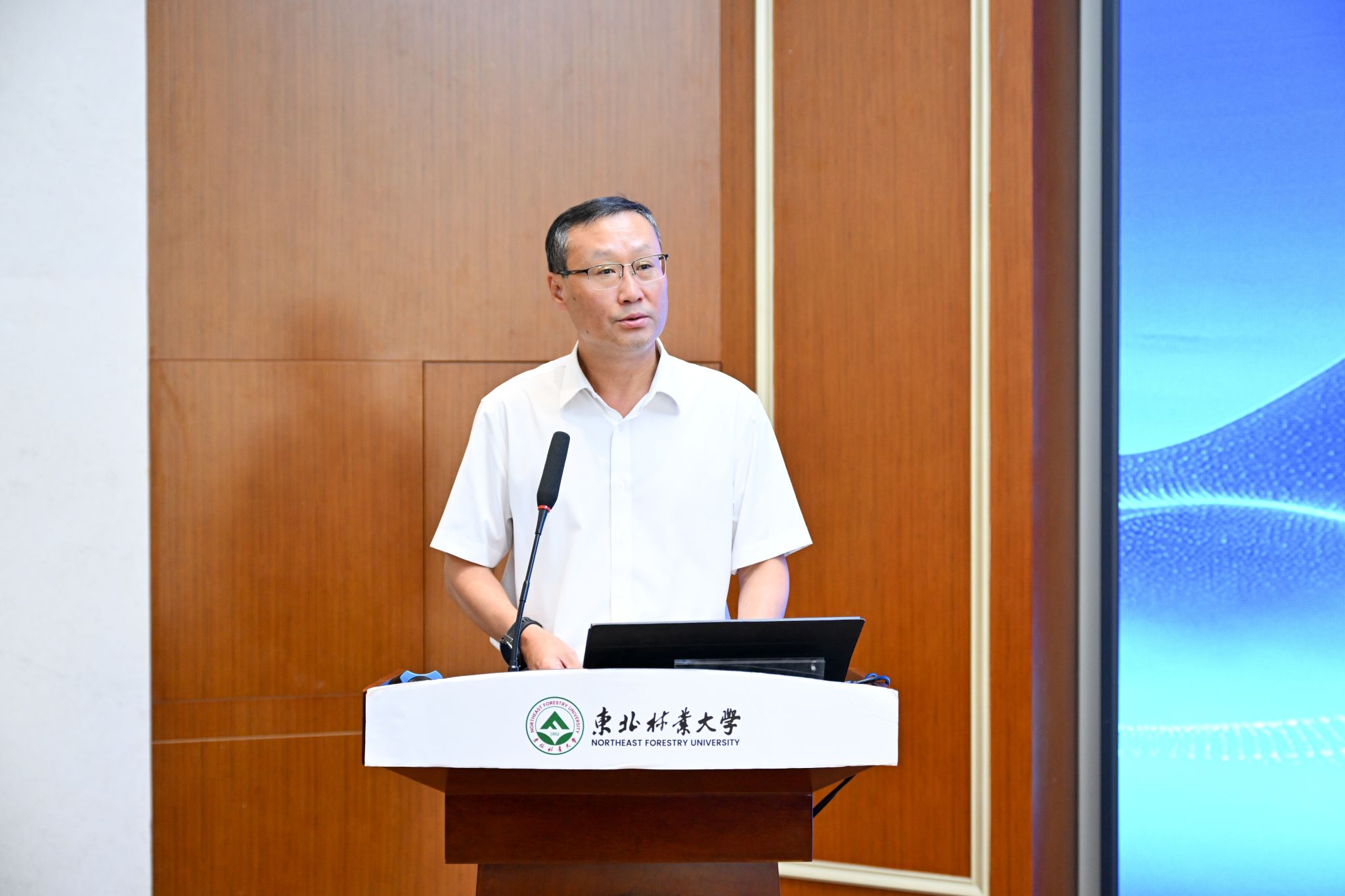
In his remarks, Yong Qiang, President of Nanjing Forestry University, outlined NFU’s initiatives to cultivate elite innovative talent. He noted that emerging fields and new frontiers in forestry development require interdisciplinary collaboration that no single discipline or institution can address alone. He expressed the hope that the summit would promote inter-university cooperation, build consensus into collective action, strengthen collaboration through alliances, and foster innovation for the future, thereby contributing to educational excellence and the development of a Beautiful China.
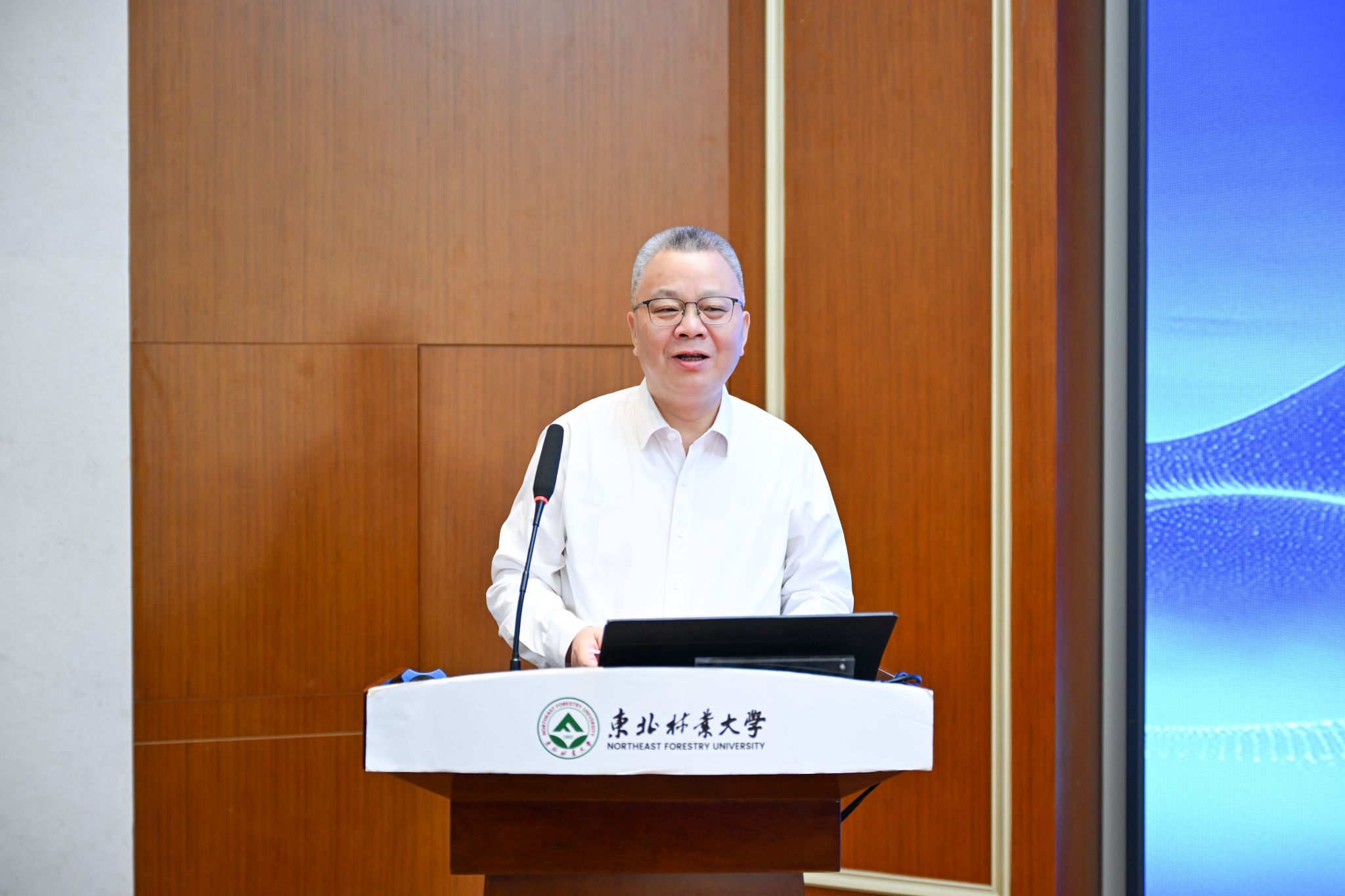
Liu Shouxin, President of Central South University of Forestry and Technology and Chair of the Ministry of Education Teaching Steering Committee for Forestry Engineering Programs, said the summit, focused on elite innovation and collaborative education, provides an important platform for aligning talent development with national strategic priorities and advancing the discipline. He noted that the initiative offers a valuable model for cultivating elite forestry talent and affirmed that the Teaching Steering Committee will continue to coordinate standards development, resource sharing, and quality assurance, while establishing broader collaborative education platforms to support the high-quality development of China’s forestry sector.
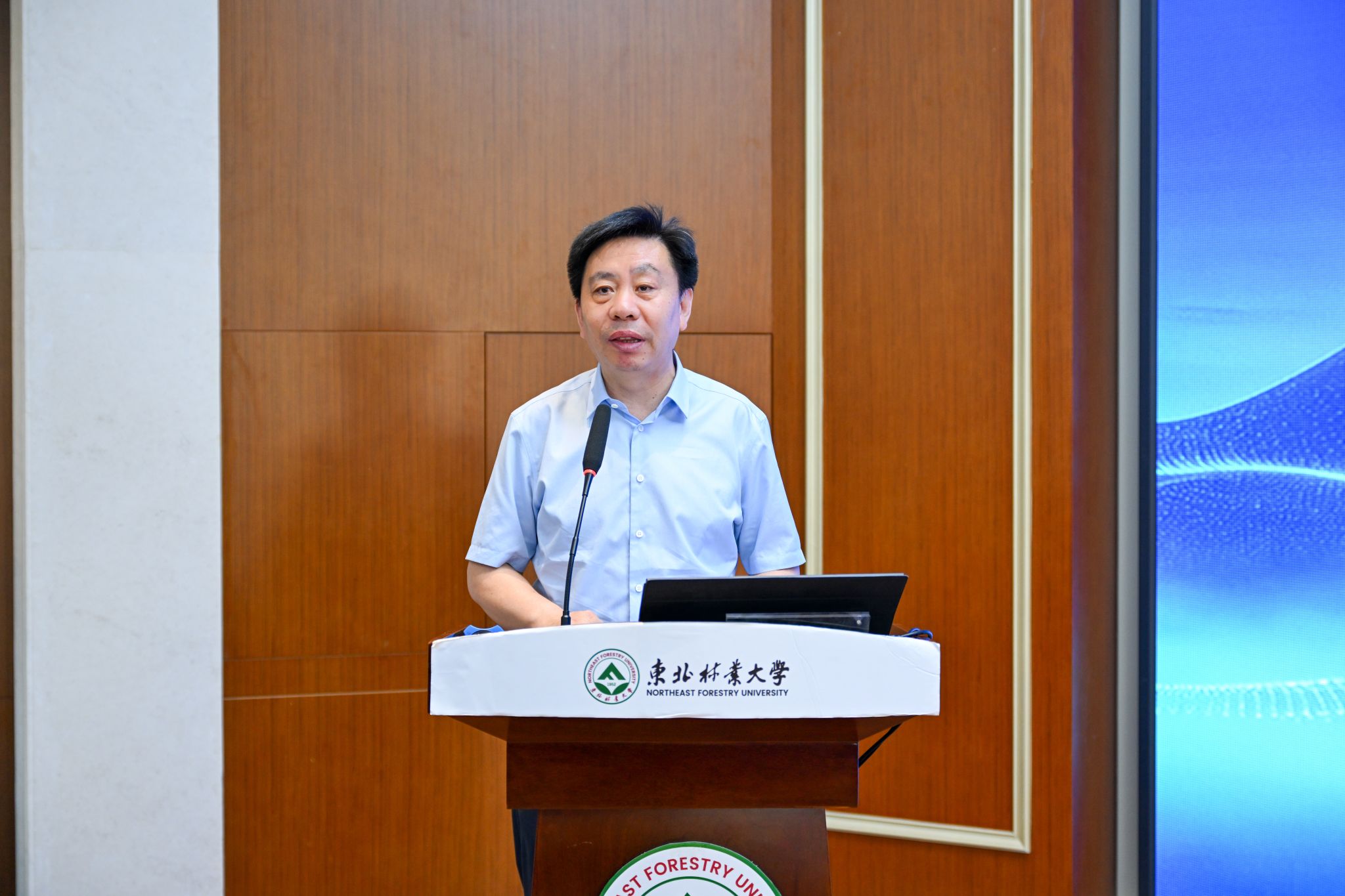
To foster new, high-quality productive forces in forestry and cultivate outstanding innovators capable of leading the high-quality development of forestry science and global ecological governance, the summit officially released the Harbin Consensus on the Independent Cultivation of Elite Forestry Innovation Talent in China. The document was read by Professor Zhang Zhiqiang, Vice President of Beijing Forestry University and Chair of the Ministry of Education Teaching Steering Committee for Forestry Programs.
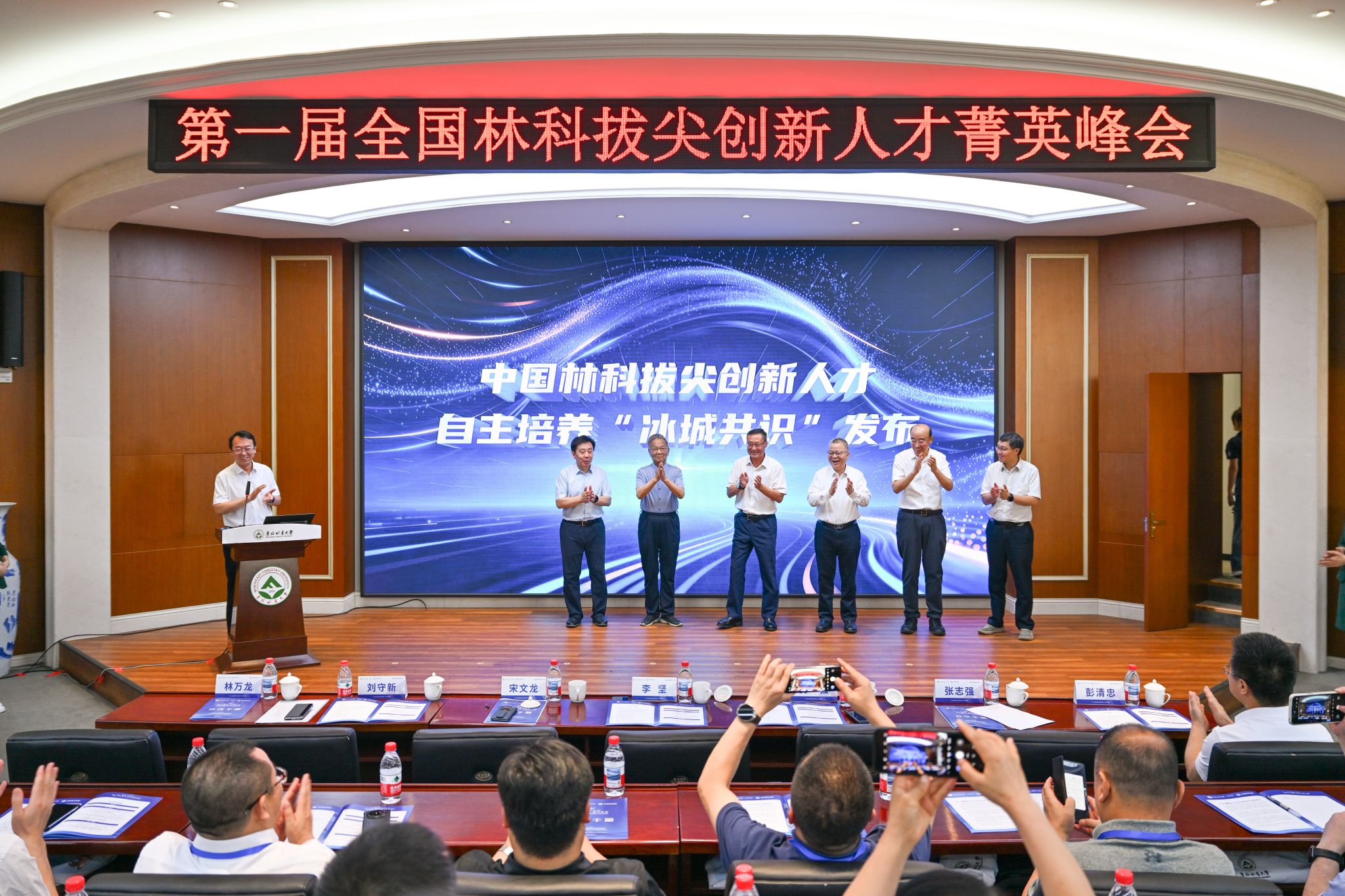
The official launch of the Harbin Consensus was jointly witnessed by Academician Li Jian of the Chinese Academy of Engineering; Presidents Song Wenlong, Yong Qiang, and Liu Shouxin; Vice President Zhang Zhiqiang; and Lin Wanlong, Vice President of China Agricultural University.
The Harbin Consensus outlines five core missions: strengthening ideological and moral education as the foundation of talent cultivation; building an independent, integrated talent development system; fostering original scientific innovation; expanding global perspectives; and developing a high-caliber faculty. The initiative aims to break down barriers among disciplines, institutions, and industries by establishing cross-university, cross-college, and cross-sector platforms for resource sharing and collaborative education. It also proposes creating both an Alliance for Holistic Student Development and an Alliance for Elite Forestry Innovation Talent, promoting deep integration among the education, science and technology, and talent development systems. In the future, the alliance will organize regular frontier seminars, interdisciplinary workshops, and challenge-based innovation activities to foster an educational environment that encourages exploration, embraces constructive failure, promotes openness and collaboration, and supports the growth of future leaders in forestry science and global ecological governance.
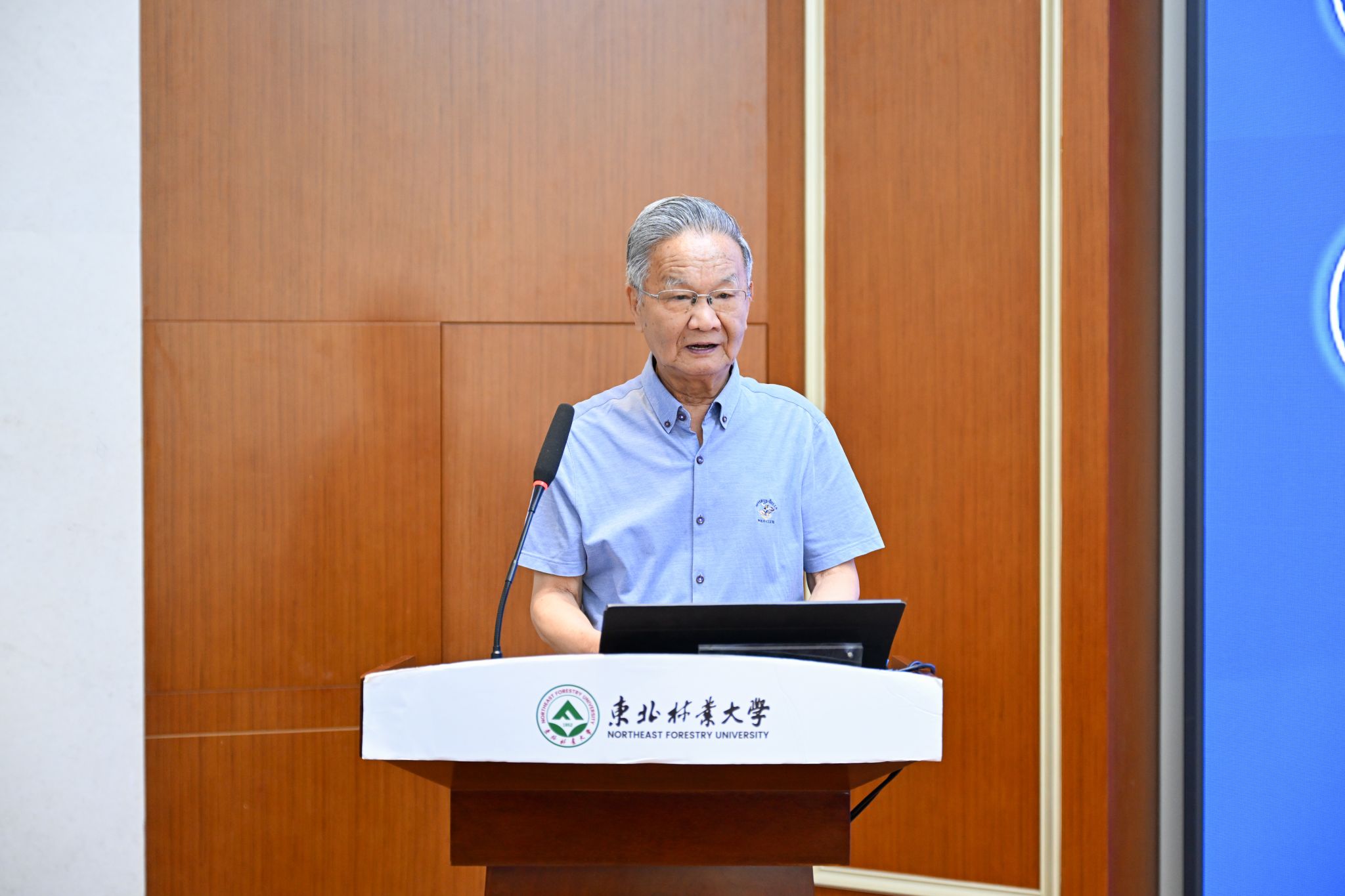
During the summit, Academician Li Jian, Professor Zhang Zhiqiang, Professor Lin Wanlong, and Vice President Li Mingze delivered keynote speeches, sharing valuable insights, institutional experience, and innovative approaches to cultivating elite forestry talent.
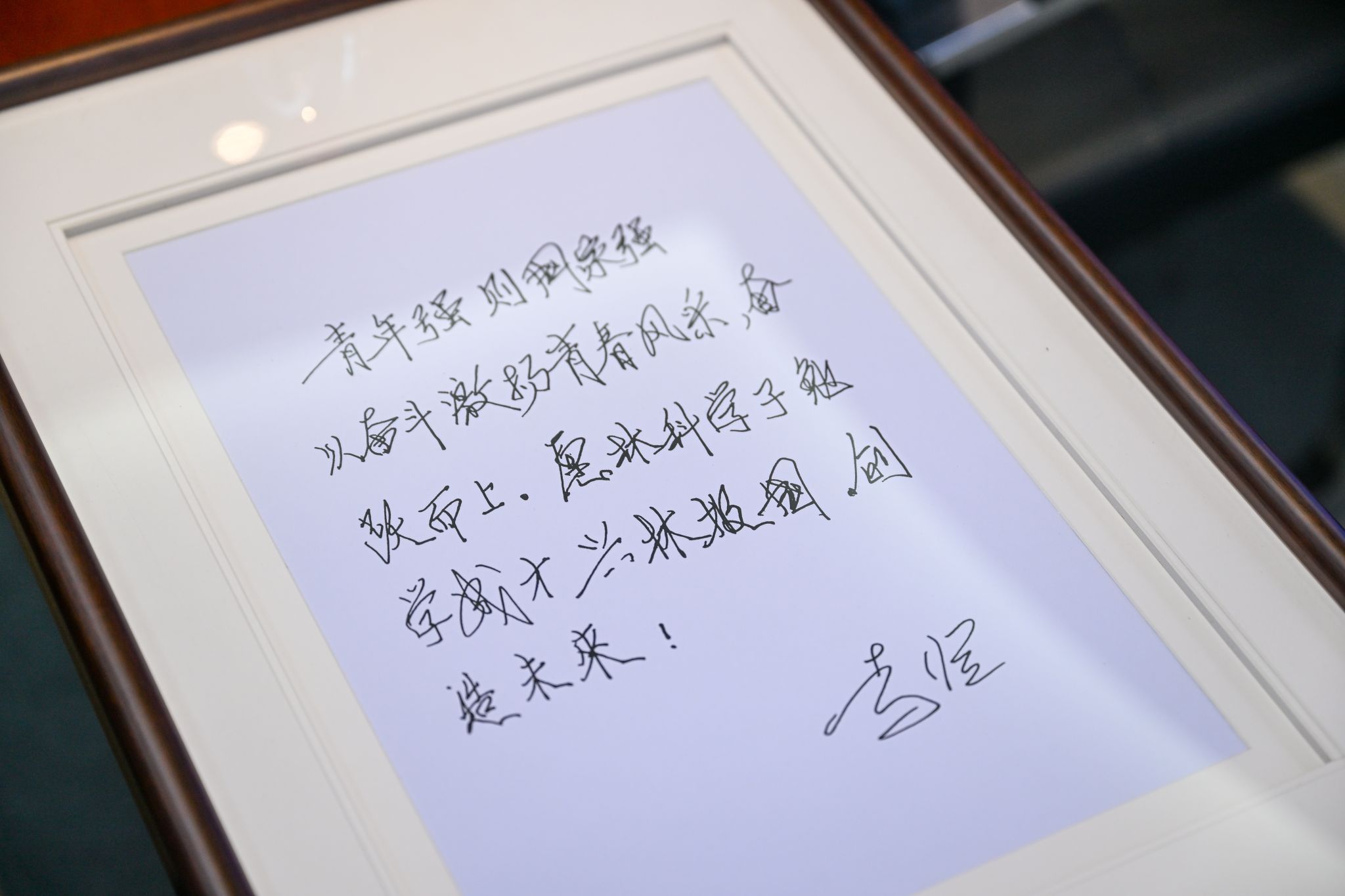
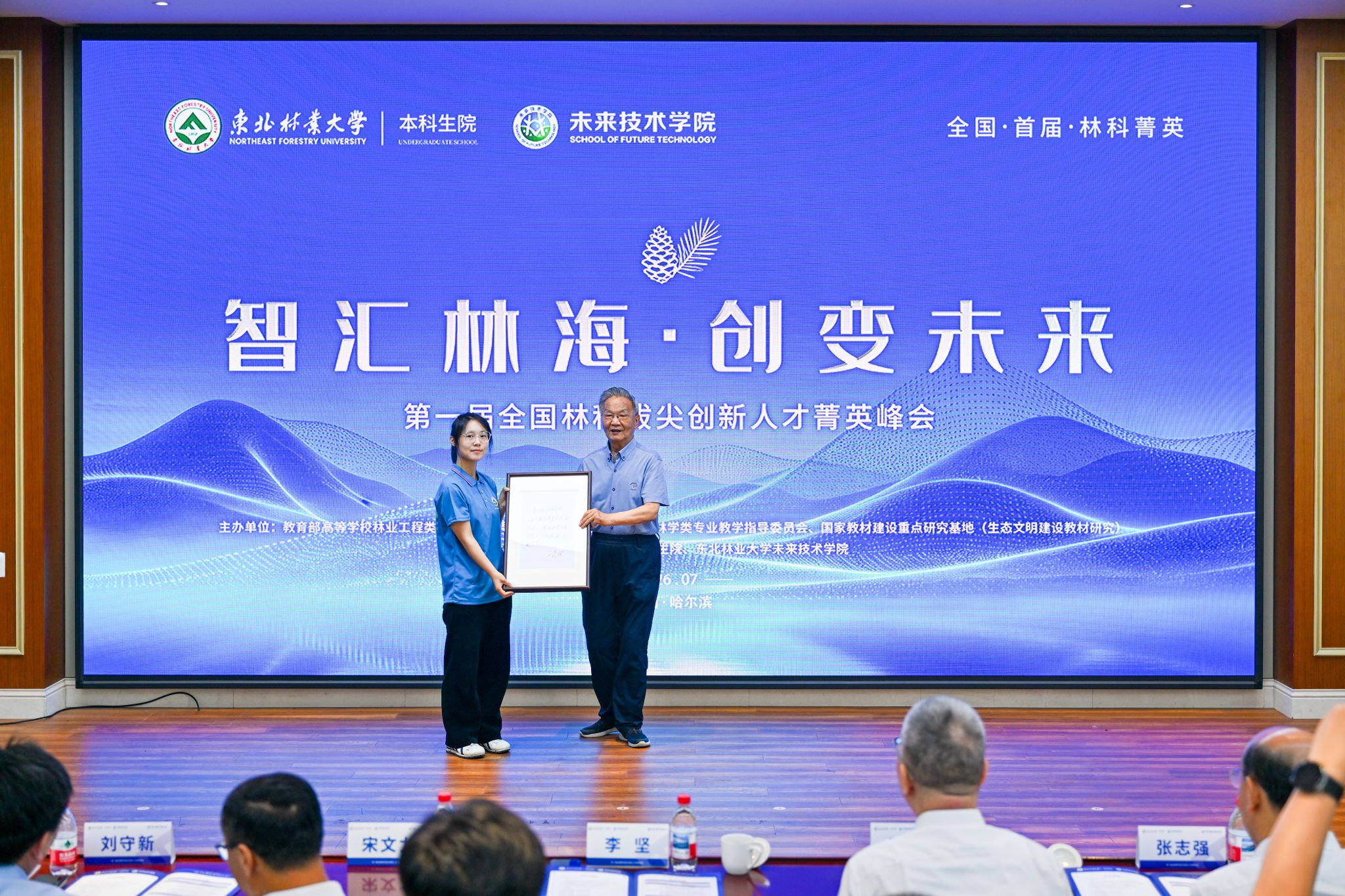
Academician Li Jian also personally wrote an inspiring message for young forestry students: “When young people are strong, the nation is strong. Let your spirit shine through dedication, and strive relentlessly for excellence. May forestry students study diligently, contribute to the nation’s forestry development, and create a brighter future.” Student representatives solemnly accepted the handwritten message, carrying forward the expectations of one of China’s leading forestry scholars.
The summit also featured four parallel forums focused on the Ideological and Political Education Chain, Education Chain, Science and Technology Chain, and Talent Chain. These forums promoted integrated planning and coordinated advancement across scientific research, industrial upgrading, and talent cultivation, thereby fostering a comprehensive approach to developing elite forestry professionals.
During the summit, forestry students from universities across China stepped beyond the conference venue and into NEFU’s experimental forest, where they took part in a joint “Forest Ecology Class.” Together, they planted a “Tree of the Future,” symbolizing the shared mission to cultivate the next generation of elite forestry innovators. The activity also reflected a broader educational vision—one that moves beyond knowledge transmission toward value formation and extends learning from the classroom into nature.
The summit was attended by leaders and faculty members from academic affairs offices and from forestry-related schools and colleges at universities throughout China.


 CN
CN