On May 12, the Seminar on Migratory Bird Monitoring and Flyway Conservation along China’s Eastern Flyway was held in Conference Room 331 of the College of Wildlife and Protected Areas. The event was jointly organized by the Heilongjiang Provincial Forestry and Grassland Administration and Northeast Forestry University (NEFU). Representatives from forestry and grassland authorities, research institutions, and protected areas from more than ten provinces along the Eastern Flyway gathered to discuss coordinated conservation strategies, establish collaborative management mechanisms, and strengthen ecological protection. Through cross-regional cooperation and systematic governance, participants sought to safeguard this vital lifeline for global biodiversity and advance the vision of harmonious coexistence between humanity and nature. The opening ceremony was chaired by Yang Shilong, Dean of the College of Wildlife and Protected Areas.
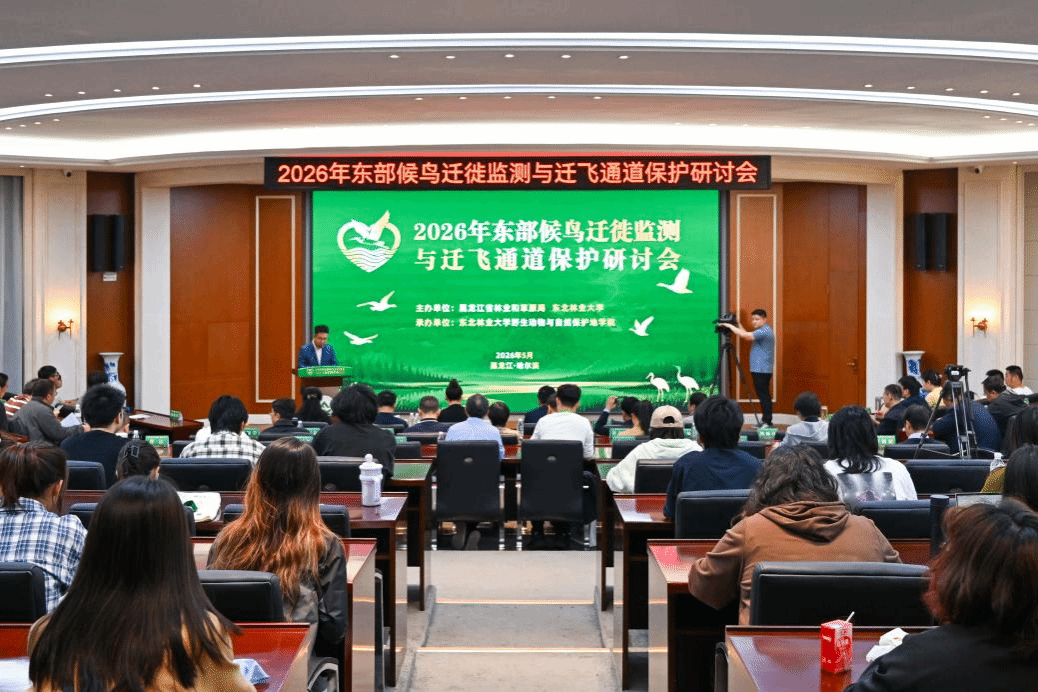
The East Asian–Australasian Flyway (EAAF) is a critical ecological corridor spanning continents and connecting multiple countries. It is one of the most important lifelines for biodiversity conservation in China and worldwide. As migratory birds travel across mountains, rivers, and administrative boundaries, protecting this aerial corridor of life has become both a strategic task for maintaining ecological balance and national ecological security, and an important responsibility for China in contributing to global ecological governance and building a shared future for all life on Earth. Effective cross-regional collaboration is therefore essential to overcoming management challenges and improving conservation outcomes.
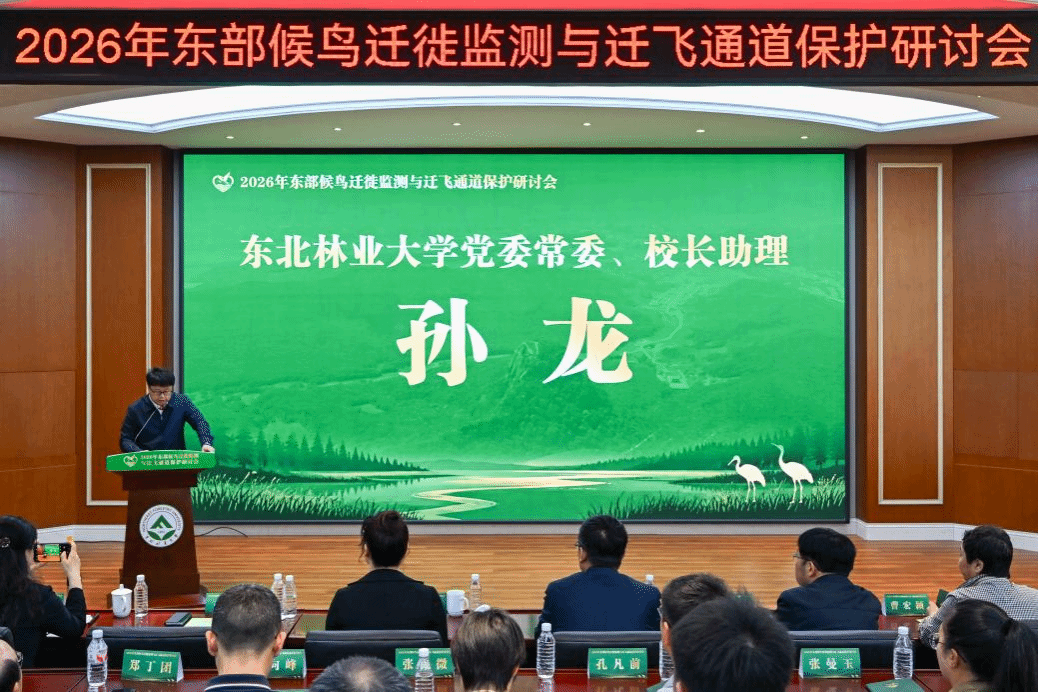
In his remarks, Sun Long, Member of the University Party Committee Standing Committee and Assistant to the President, emphasized that NEFU, a leading institution in China’s forestry higher education and ecological research, will fully leverage its disciplinary strengths and research capacity. The University will further open and share its research platforms, deepen strategic cooperation with forestry and grassland authorities and research institutions along the flyway, accelerate the development of an integrated “sky-air-ground” monitoring network, and explore innovative regional conservation mechanisms and models. Through science and technology, NEFU aims to strengthen China’s ecological security barrier and contribute to high-quality development in global migratory bird conservation.
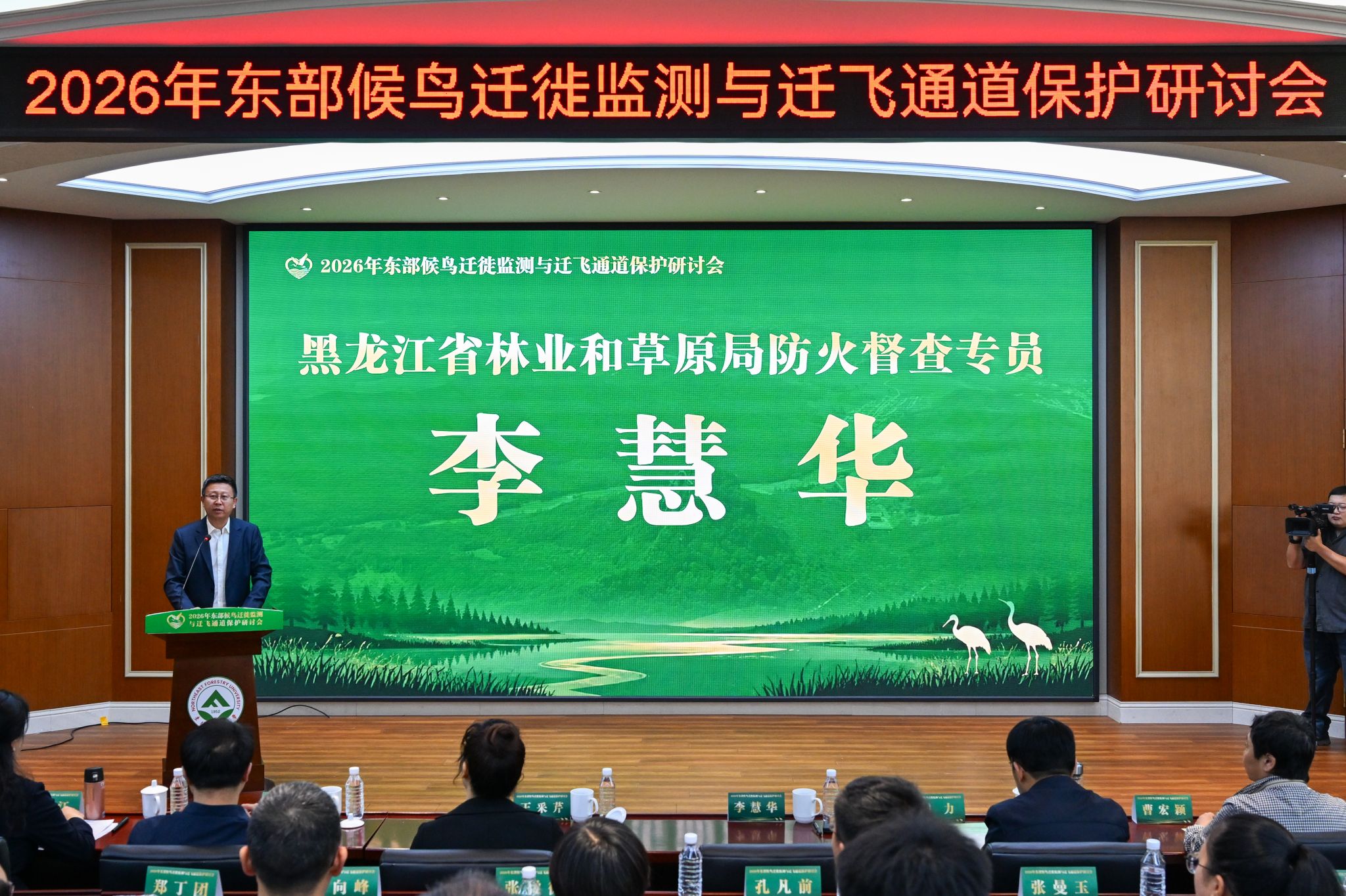
Li Huihua, Fire Prevention Inspection Commissioner of the Heilongjiang Provincial Forestry and Grassland Administration, delivered a keynote address at the seminar. He noted that Heilongjiang Province is a crucial hub along the eastern migratory bird flyway, providing essential stopover, breeding, and migration habitats. The seminar was convened to establish an efficient platform for interprovincial cooperation, promote mechanisms for information sharing, joint patrols, and coordinated law enforcement, and build a comprehensive, networked conservation system that ensures secure stopover sites and seamless protection along migration routes. Such efforts, he said, would unite all stakeholders in safeguarding migratory birds and strengthen the ecological foundation for Beautiful China and national ecological security.
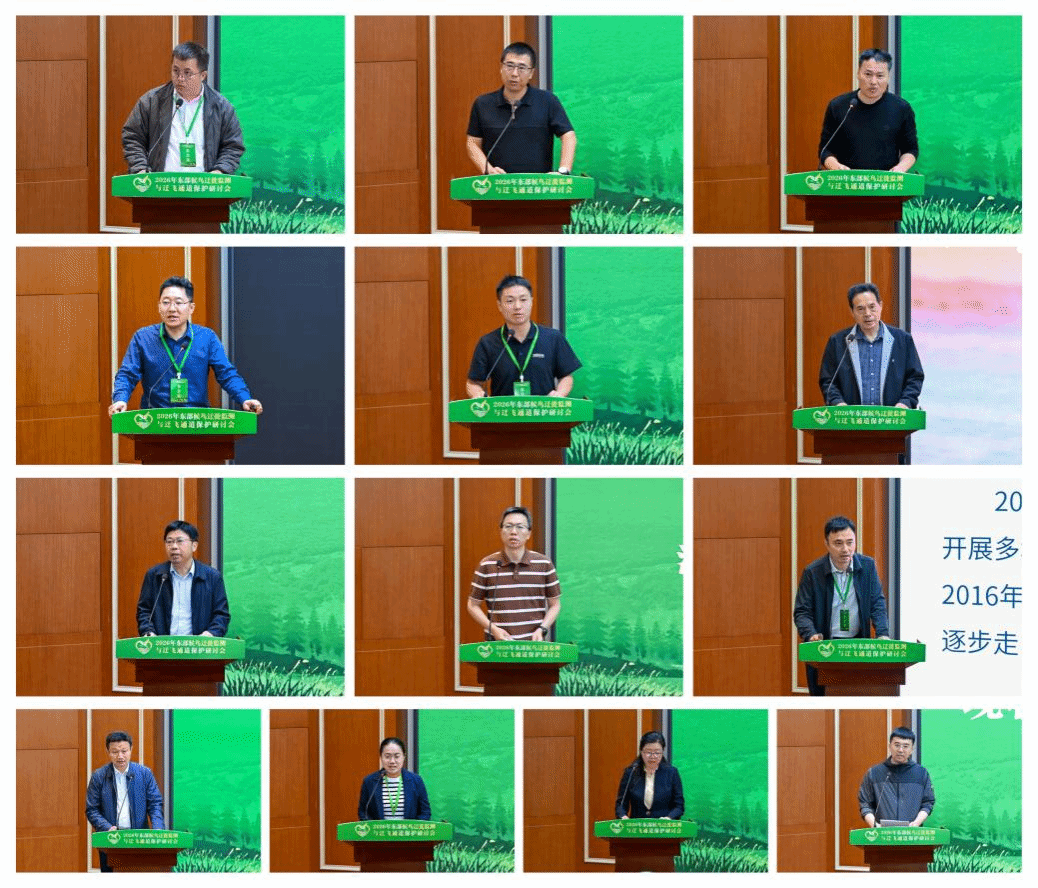
During the seminar, representatives from provinces along the flyway, including Hainan, Guangdong, and Fujian, presented reports and shared practical experiences in migratory bird conservation, monitoring and patrols, public education, and habitat restoration. Participants exchanged innovative approaches, discussed existing challenges, and built consensus on collaborative conservation. Experts stressed that migratory birds recognize no borders and that conservation efforts should likewise transcend administrative boundaries. Provinces along the flyway must align their efforts and advance integrated protection strategies to establish a coordinated conservation framework. Experts also noted that regions along the flyway are accelerating the deployment of intelligent “sky-air-ground” monitoring systems. By integrating advanced technologies—including uncrewed aerial vehicles (UAVs), remote video surveillance, infrared cameras, artificial intelligence analytics, and acoustic monitoring—they are building round-the-clock monitoring and early-warning systems that track population dynamics, migration patterns, and disease risks. These digital and intelligent technologies are helping modernize migratory bird conservation and management.
Participants unanimously agreed that the seminar provided a valuable platform for mutual learning, experience sharing, and collaborative advancement. The innovative practices showcased by different regions in smart conservation and precision management offered important references for future work. Representatives pledged to strengthen interprovincial information-sharing and emergency-response mechanisms further, address weaknesses in grassroots conservation capacity, and jointly build a conservation community for the eastern migratory bird flyway. Through coordinated governance, they aim to contribute Chinese wisdom and solutions to global biodiversity conservation.
Following the seminar, participating experts and scholars conducted field investigations at key wetlands and major migratory bird stopover sites in Heilongjiang Province. Based on on-site ecological conditions, they will refine conservation strategies and provide practical scientific support for the effective protection of migratory bird migration routes.
The collaboration among more than ten provinces is a vivid example of China’s efforts to advance cross-regional ecological governance. It demonstrates the nation’s strong commitment to biodiversity conservation and ecological civilization. Taking this seminar as a new starting point, regions along the flyway will continue to work together with perseverance and a shared purpose to safeguard the aerial migration corridor for birds, contribute to building a Beautiful China characterized by harmonious coexistence between humanity and nature, and support the ongoing advancement of global ecological governance.


 CN
CN